Why Panic Attacks Make You Feel Dizzy or Lightheaded
One of the most unsettling sensations during a panic attack is the sudden feeling of dizziness or lightheadedness. Many people describe the experience as if the room is spinning, their head feels foggy, or they might faint at any moment.
Because dizziness is commonly associated with medical problems such as low blood pressure, heart conditions, or neurological issues, it can immediately trigger fear that something serious is happening. This interpretation often intensifies the panic response, creating a feedback loop where the physical sensation increases anxiety, and anxiety further amplifies the physical symptoms.
In reality, dizziness during a panic attack is a very common effect of how the body responds to perceived danger. When the brain activates the fight-or-flight response, the nervous system rapidly changes breathing patterns, muscle tension, and blood circulation in order to prepare the body for action.
These changes are designed to help a person respond to threat, but when they occur suddenly and without a clear external danger, the sensations can feel confusing and alarming. Understanding the mechanisms behind these symptoms can make them much less frightening.
Key Takeaways
• Dizziness and lightheadedness are common symptoms during panic attacks
• Rapid breathing can temporarily affect oxygen and carbon dioxide levels
• The fight-or-flight response changes circulation and muscle tension
• These sensations can feel alarming but are not medically dangerous
• Understanding the body's stress response can reduce fear when symptoms occur
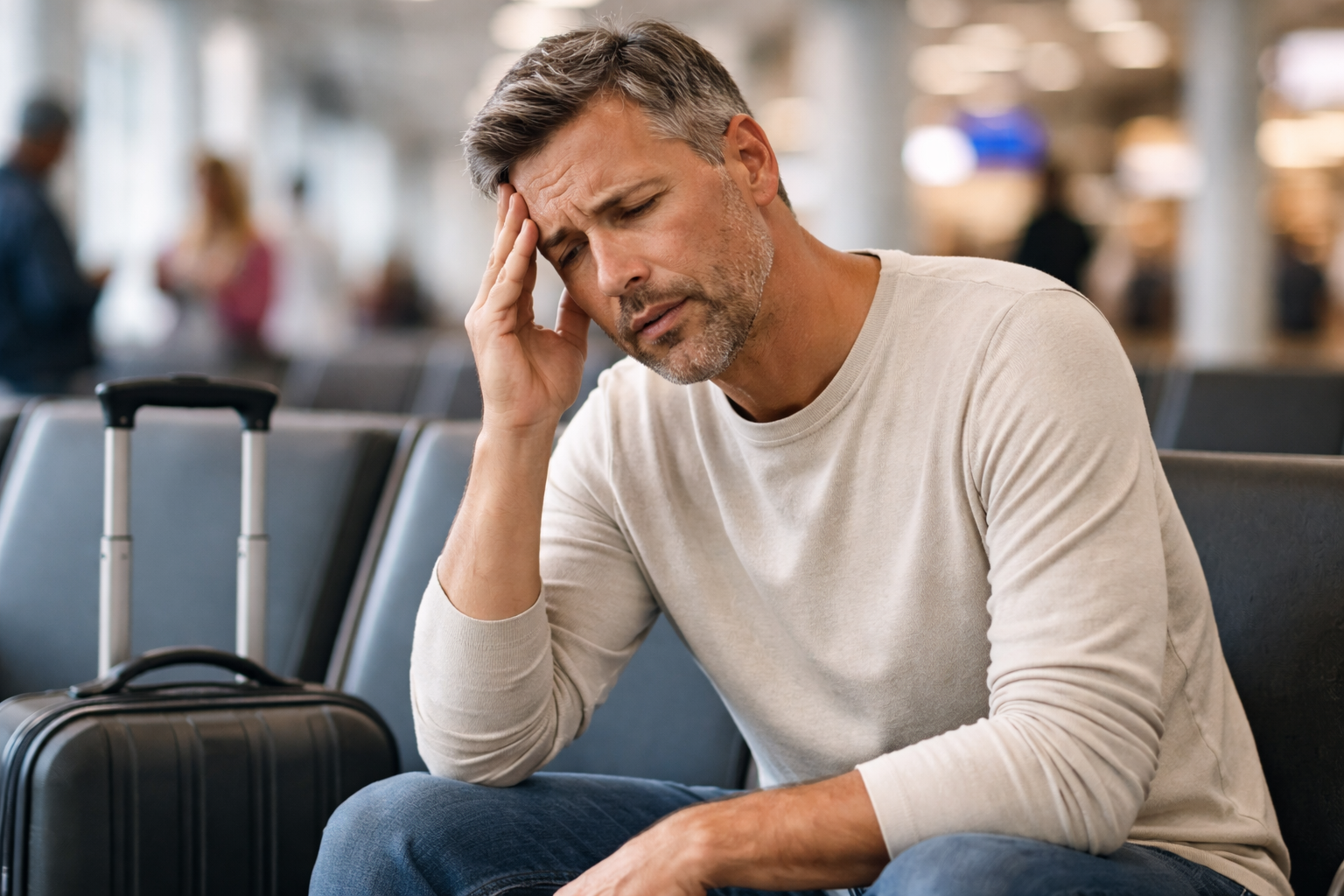
Dizziness during a panic attack is often related to changes in breathing and blood flow triggered by the body’s stress response.
in this article
• Why dizziness is common during panic attacks
• How breathing changes can create lightheadedness
• Why the stress response affects blood flow and balance
• Why these sensations can feel frightening but are not dangerous
Why Panic Affects Balance and Sensations in the Head
Dizziness during panic attacks is usually linked to three physiological processes that occur when the nervous system enters a heightened state of alert.
First, breathing often becomes faster and shallower during panic. Many people unknowingly begin to hyperventilate, meaning they breathe more rapidly than the body actually requires. This can temporarily alter the balance of oxygen and carbon dioxide in the bloodstream. When this balance shifts, it can produce sensations such as lightheadedness, tingling, and a feeling of instability.
Second, the body redirects blood flow during the stress response. When the brain detects danger, circulation is prioritized toward large muscle groups in preparation for movement. This shift can create subtle changes in blood pressure and blood distribution, which may contribute to sensations of dizziness or feeling faint.
Third, heightened muscle tension—particularly in the neck, shoulders, and upper chest—can influence how the body perceives balance and spatial orientation. When these muscles remain tense, they can affect signals sent between the body and the brain regarding posture and movement, sometimes creating a sensation of disorientation.
Although these sensations can feel intense, they are not harmful. In most cases they gradually subside as the nervous system settles and breathing returns to a more regular pattern.
For many people, the dizziness itself becomes a trigger for further panic. Once someone has experienced it a few times, the fear of the sensation can make the nervous system more sensitive to any change in breathing, balance, or internal sensations.
This is one of the ways the panic cycle can become conditioned over time.
Explore the Panic cycle Recovery Program
Recurrent panic attacks often develop when the nervous system becomes sensitised to internal sensations such as changes in breathing, heart rate, or balance.
The Online Panic Cycle Recovery Program is a structured six-session process designed to interrupt this panic cycle and retrain how the nervous system responds to fear signals and bodily sensations.
If you are experiencing recurrent panic attacks and would like to explore whether this structured approach may be appropriate for your situation, you can apply for a consultation.
The consultation allows us to determine whether this work is the right fit for you.
related articles
-What Does a Panic Attack Feel Like? Physical and Emotional Symptoms Explained
-Why Panic Attacks Cause Chest Pain (And Why It Feels So Scary)
-Why Anxiety Feels So Physical: Understanding the Body’s Stress Response
-Why Panic Attacks Feel Like You’re Dying (And Why They Are Not Dangerous)