This blog provides educational resources about panic attacks, anxiety, and nervous system regulation.
You will find clear explanations of why panic attacks happen, what occurs in the body during an episode, and practical insights to help you understand and manage anxiety.
How to Stop the Fear of Panic Attacks (Anticipatory Anxiety Explained)
The fear of having a panic attack can become more limiting than the panic itself. This article explains anticipatory anxiety, why it keeps the cycle going, and how real recovery happens.
How to Deal with Panic Attacks in Daily Life Without Avoidance
Dealing with panic attacks in daily life can feel overwhelming. Learn how to respond to symptoms without avoidance and begin changing the patterns that keep panic going.
Are Panic Attacks Serious? When You Should Seek Help (and When You Don’t Need to Worry)
Are panic attacks serious? While they can feel intense and alarming, they are not dangerous. Learn when panic may require support, how to recognize the signs, and why these patterns don’t always resolve on their own.
Why Panic Attacks Cause Nausea (And Why Anxiety Affects the Stomach)
Nausea is a common symptom during panic attacks. When the nervous system enters fight-or-flight mode, digestion changes rapidly, which can create strong stomach sensations.

Fear of Panic Attacks: Why It Happens and How the Panic Cycle Begins
After the first panic attack, many people begin to fear the next one. This fear can quietly start a cycle that keeps panic attacks returning. Understanding how fear of panic attacks develops is an important step toward breaking the panic cycle.

Why Panic Attacks Come in Waves
Many people who experience panic attacks notice that they do not always occur randomly. Instead, they often appear in waves — periods where attacks become more frequent before gradually settling again.
Can Panic Disorder Be Cured? What Real Recovery from Panic Attacks Looks Like
Many people living with repeated panic attacks wonder whether panic disorder can truly be cured. Understanding how panic develops and how the nervous system can retrain its responses is key to long-term recovery.

Why Panic Attacks Happen Out of Nowhere
Panic attacks can sometimes appear suddenly and without warning. Learn why panic attacks may feel like they happen out of nowhere and what is happening in the nervous system when they occur.
Why Panic Attacks Make You Feel Dizzy or Lightheaded
Many people experiencing panic attacks report dizziness or feeling lightheaded. These sensations can feel alarming and are often misinterpreted as signs of a serious medical problem. Understanding why they occur can make them much less frightening.

Panic Attack vs Anxiety Attack: Key Differences Explained
Panic attacks and anxiety attacks are often confused, but they are not the same experience. Understanding the differences can help reduce fear and make intense symptoms easier to interpret.

How Long Do Panic Attacks Last? Panic Attack Duration Explained
Panic attacks can feel endless and overwhelming. In reality, they follow a predictable physiological timeline. Understanding how long panic attacks last can reduce fear and help interrupt the panic cycle.

What Does a Panic Attack Feel Like? Physical and Emotional Symptoms Explained
Panic attacks can feel overwhelming and frightening, especially if you do not understand what is happening in your body. This article explains the physical and emotional sensations people commonly experience during a panic attack and why the nervous system produces these intense symptoms.

Panic Attack Symptoms: 13 Signs You Might Be Experiencing a Panic Attack
Panic attacks can cause intense physical and emotional symptoms that often feel frightening and overwhelming. Understanding the most common panic attack symptoms can help you recognize what is happening in your body and reduce the fear surrounding these experiences.
Can Panic Attacks Kill You? Why They Feel Life-Threatening (But Aren’t)
Many people experiencing a panic attack believe they might be dying. Understanding why panic attacks feel life-threatening can help reduce fear and interrupt the panic cycle.
Why Panic Attacks Feel Like You're Dying (And Why They Are Not Dangerous)
During a panic attack, many people feel certain they are dying. Understanding why panic creates this powerful sensation can help reduce fear and break the panic cycle.
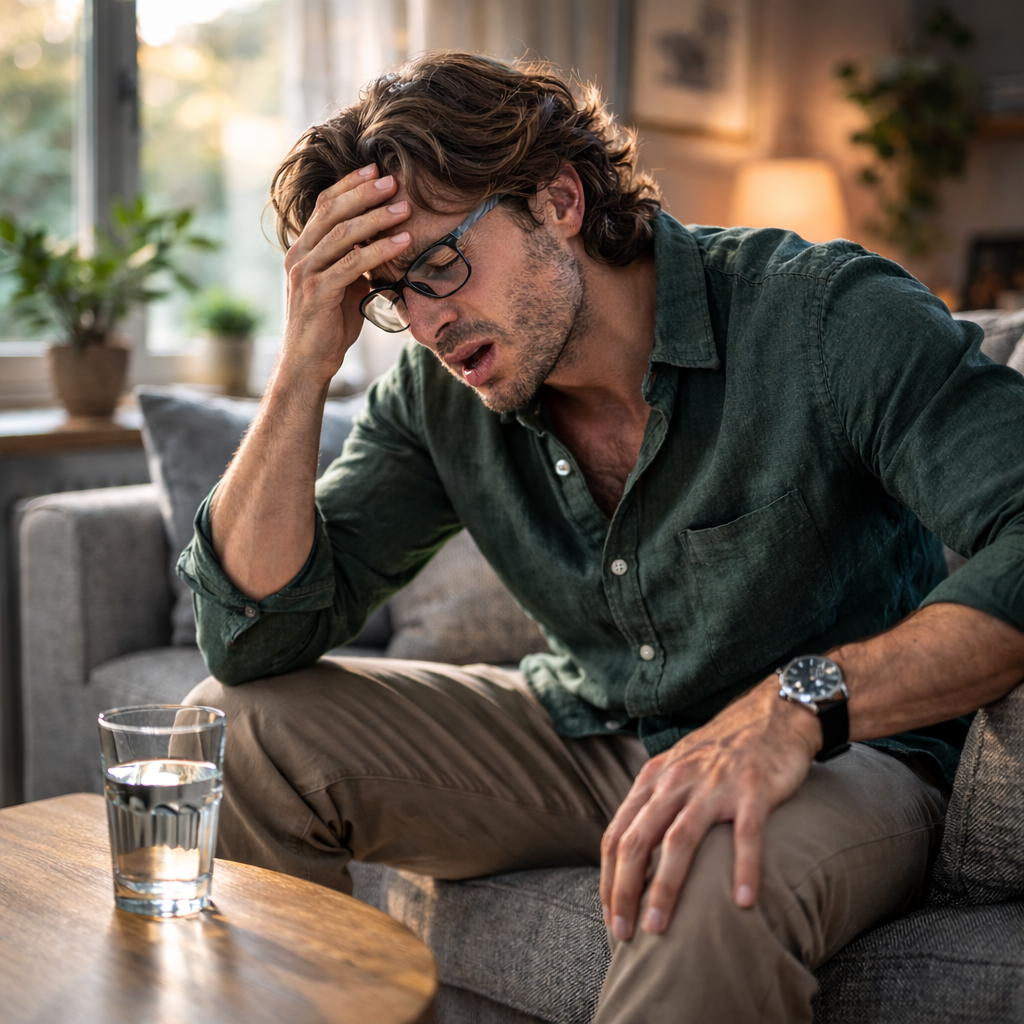
Why Anxiety Feels So Physical: Understanding the Body’s Stress Response
Anxiety is not just a mental experience. It can cause powerful physical sensations throughout the body. Understanding why this happens can make panic attacks far less frightening.

Why Panic Attacks Cause Chest Pain (And Why It Feels So Scary)
Chest pain during a panic attack can feel alarming and is often mistaken for a heart problem. Understanding why this symptom occurs can help reduce fear and break the panic cycle.

What Triggers Panic Attacks? Common Causes and Hidden Triggers
Panic attacks can feel as if they come out of nowhere. In reality, certain triggers often activate the body’s alarm system and lead to sudden episodes of panic.
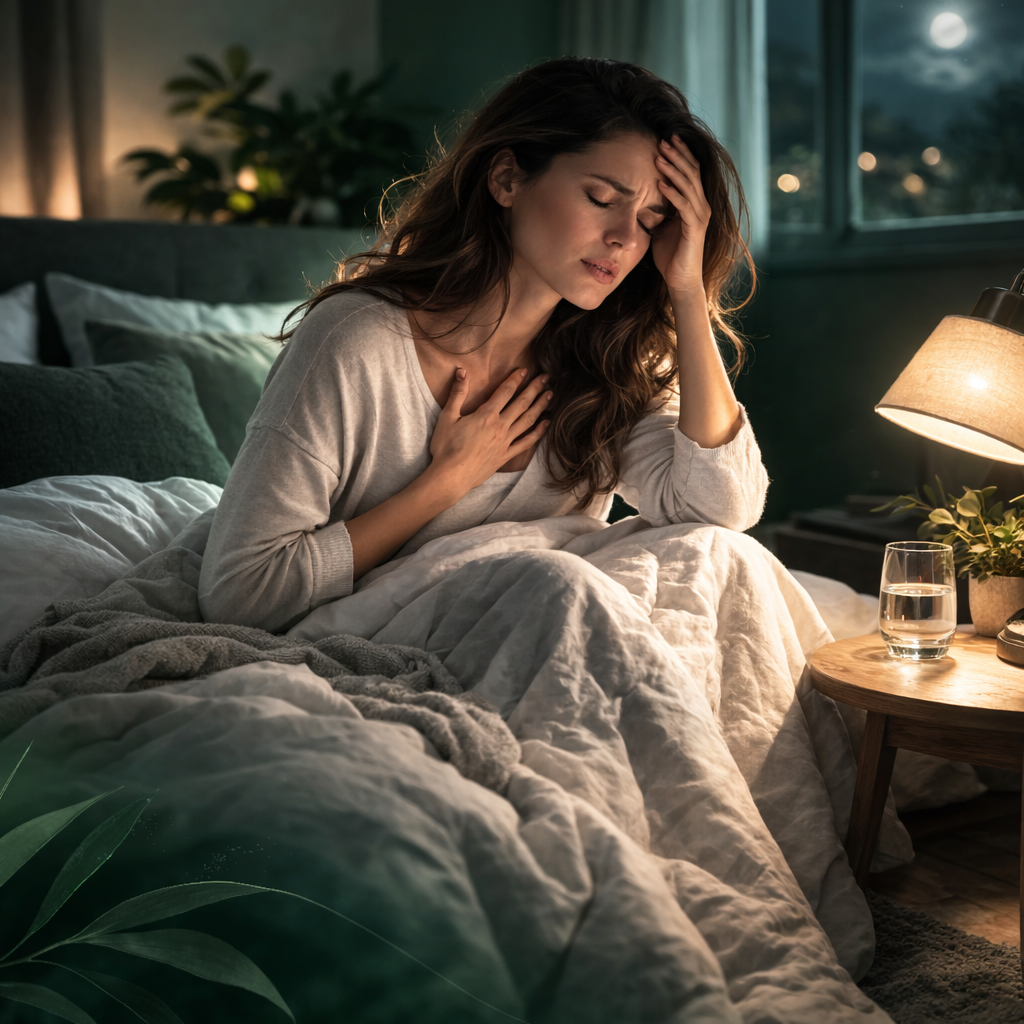
Why Panic Attacks Happen at Night (Nocturnal Panic Attacks)
Waking suddenly with a racing heart, chest tightness, or fear can feel deeply unsettling. This article explains why nocturnal panic attacks happen and how the nervous system creates them.
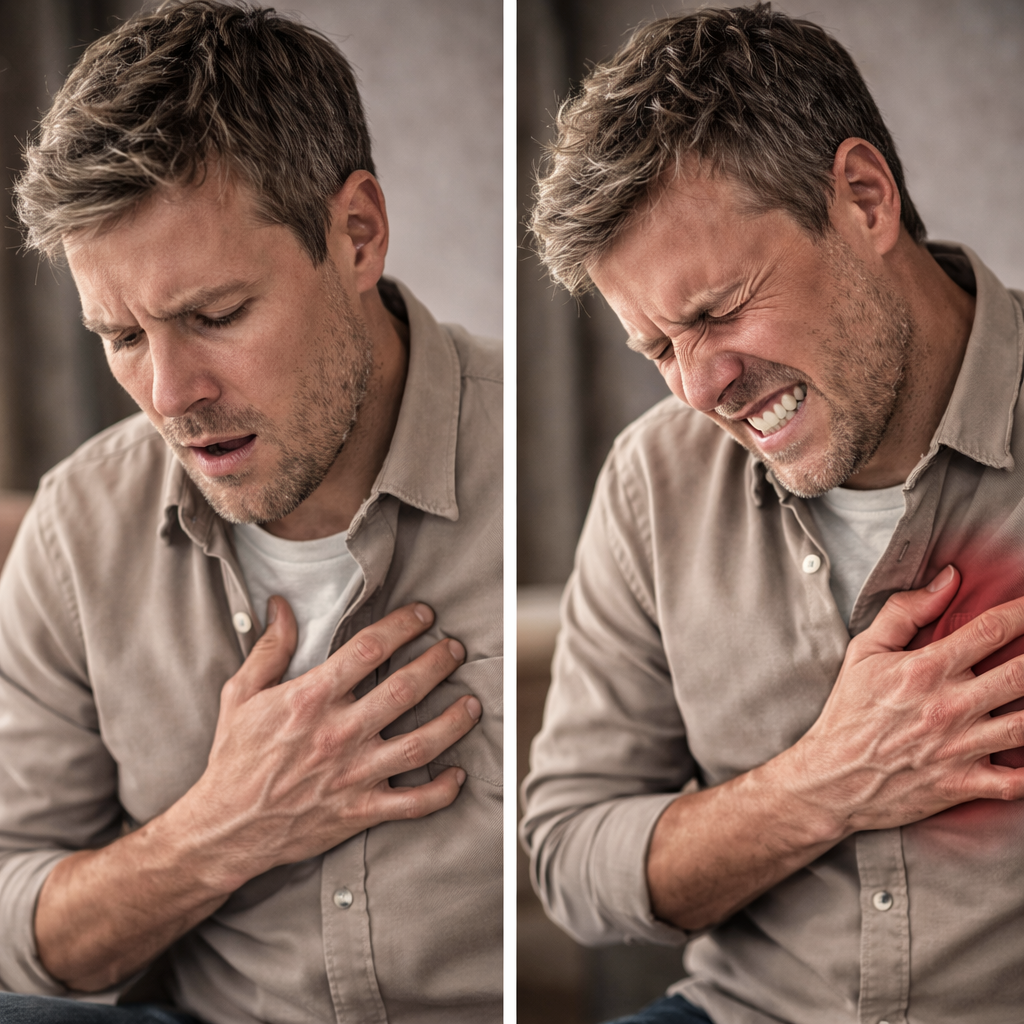
Panic Attack or Heart Attack? How to Tell the Difference
Many people experiencing a panic attack believe they may be having a heart attack.
Understanding the differences between these two experiences can help reduce fear and guide appropriate medical decisions.