This blog provides educational resources about panic attacks, anxiety, and nervous system regulation.
You will find clear explanations of why panic attacks happen, what occurs in the body during an episode, and practical insights to help you understand and manage anxiety.

How to Stop the Fear of Panic Attacks (Anticipatory Anxiety Explained)
The fear of having a panic attack can become more limiting than the panic itself. This article explains anticipatory anxiety, why it keeps the cycle going, and how real recovery happens.
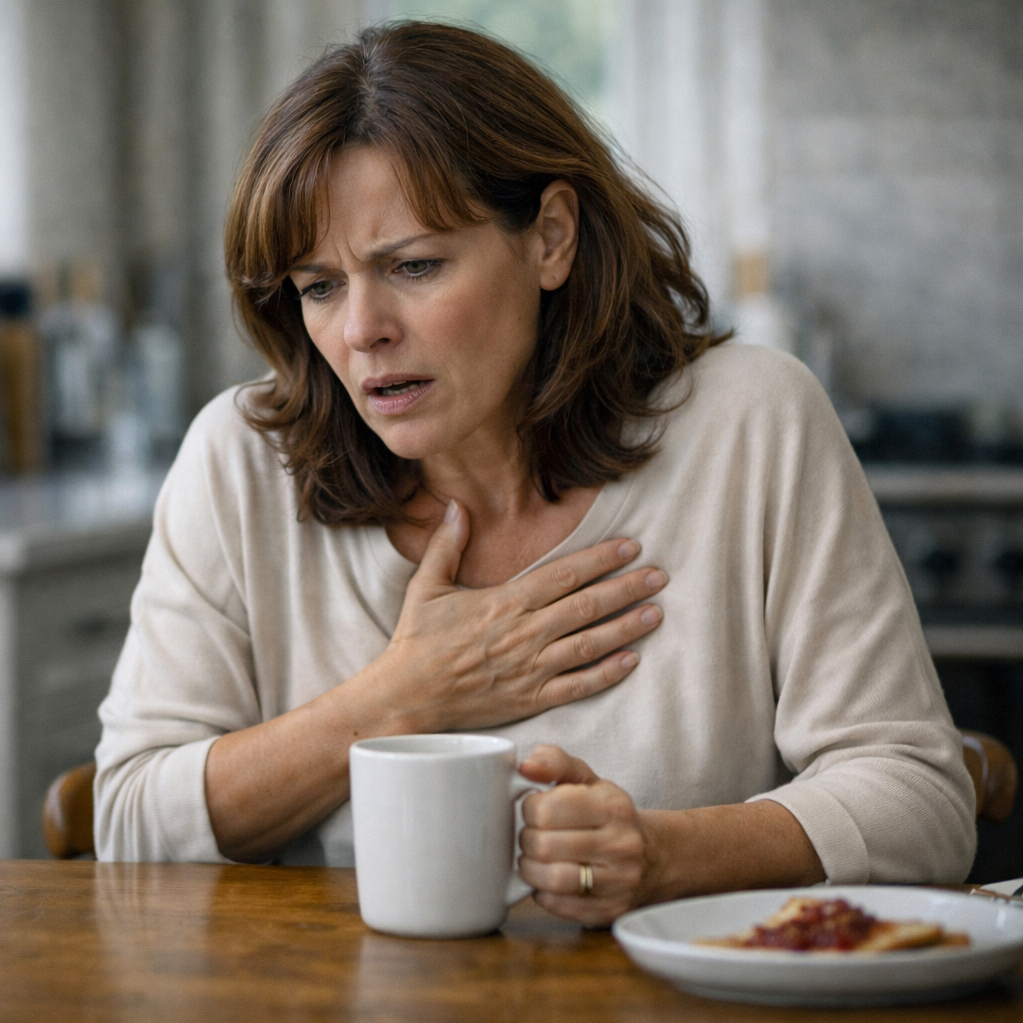
How to Deal with Panic Attacks in Daily Life Without Avoidance
Dealing with panic attacks in daily life can feel overwhelming. Learn how to respond to symptoms without avoidance and begin changing the patterns that keep panic going.

Are Panic Attacks Serious? When You Should Seek Help (and When You Don’t Need to Worry)
Are panic attacks serious? While they can feel intense and alarming, they are not dangerous. Learn when panic may require support, how to recognize the signs, and why these patterns don’t always resolve on their own.
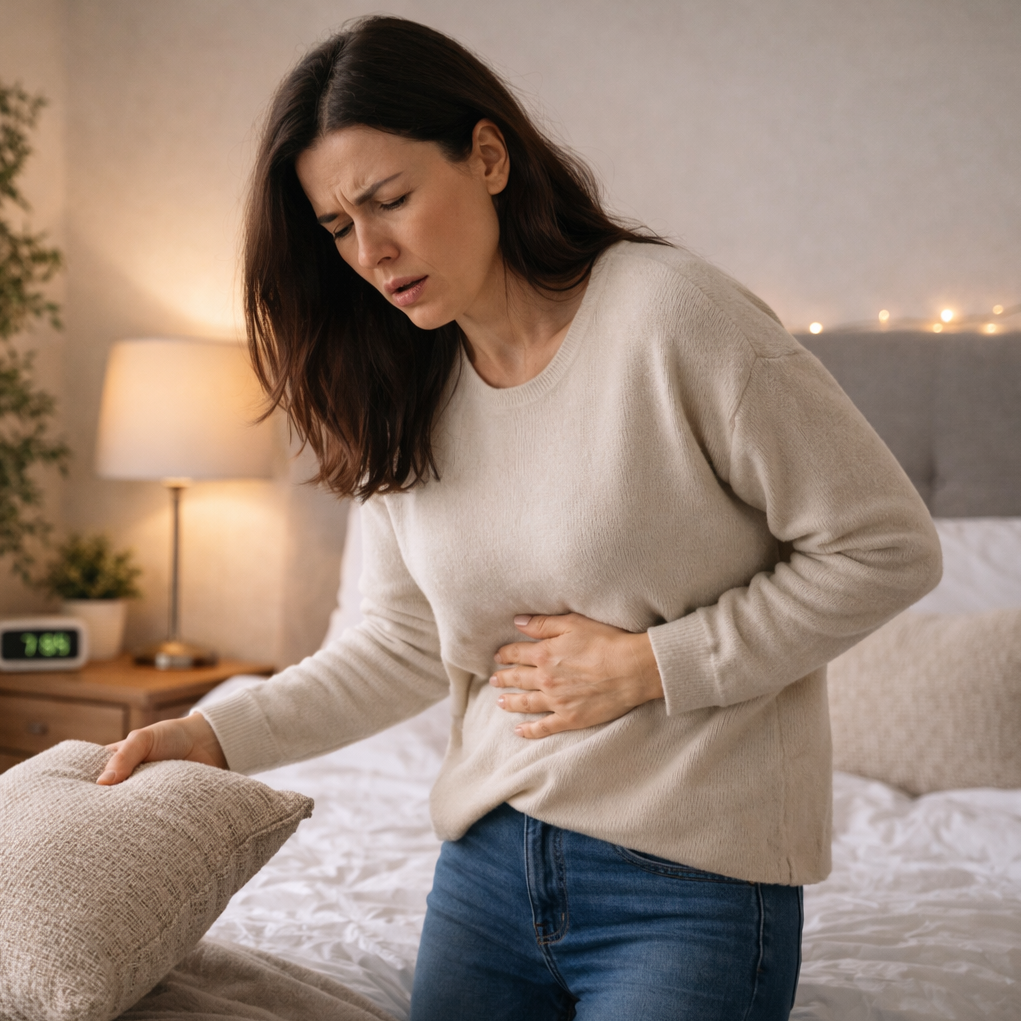
Why Panic Attacks Cause Nausea (And Why Anxiety Affects the Stomach)
Nausea is a common symptom during panic attacks. When the nervous system enters fight-or-flight mode, digestion changes rapidly, which can create strong stomach sensations.

Fear of Panic Attacks: Why It Happens and How the Panic Cycle Begins
After the first panic attack, many people begin to fear the next one. This fear can quietly start a cycle that keeps panic attacks returning. Understanding how fear of panic attacks develops is an important step toward breaking the panic cycle.

Why Panic Attacks Come in Waves
Many people who experience panic attacks notice that they do not always occur randomly. Instead, they often appear in waves — periods where attacks become more frequent before gradually settling again.

Why Panic Attacks Happen Out of Nowhere
Panic attacks can sometimes appear suddenly and without warning. Learn why panic attacks may feel like they happen out of nowhere and what is happening in the nervous system when they occur.