Why Panic Attacks Cause Nausea (And Why Anxiety Affects the Stomach)
Many people experiencing a panic attack suddenly feel a wave of nausea or a sick sensation in the stomach. This can be very frightening. Some people worry they might vomit, faint, or that something is seriously wrong with their body.
However, nausea is actually a very common response of the nervous system during intense anxiety.
When the body enters a panic response, several systems in the body change rapidly — including digestion.
key takeaways
• Nausea is a common symptom of panic attacks.
• Anxiety activates the body's fight-or-flight response.
• During this response digestion temporarily slows down.
• The stomach and brain are strongly connected through the nervous system.
• Although the sensation can feel alarming, it is not dangerous.
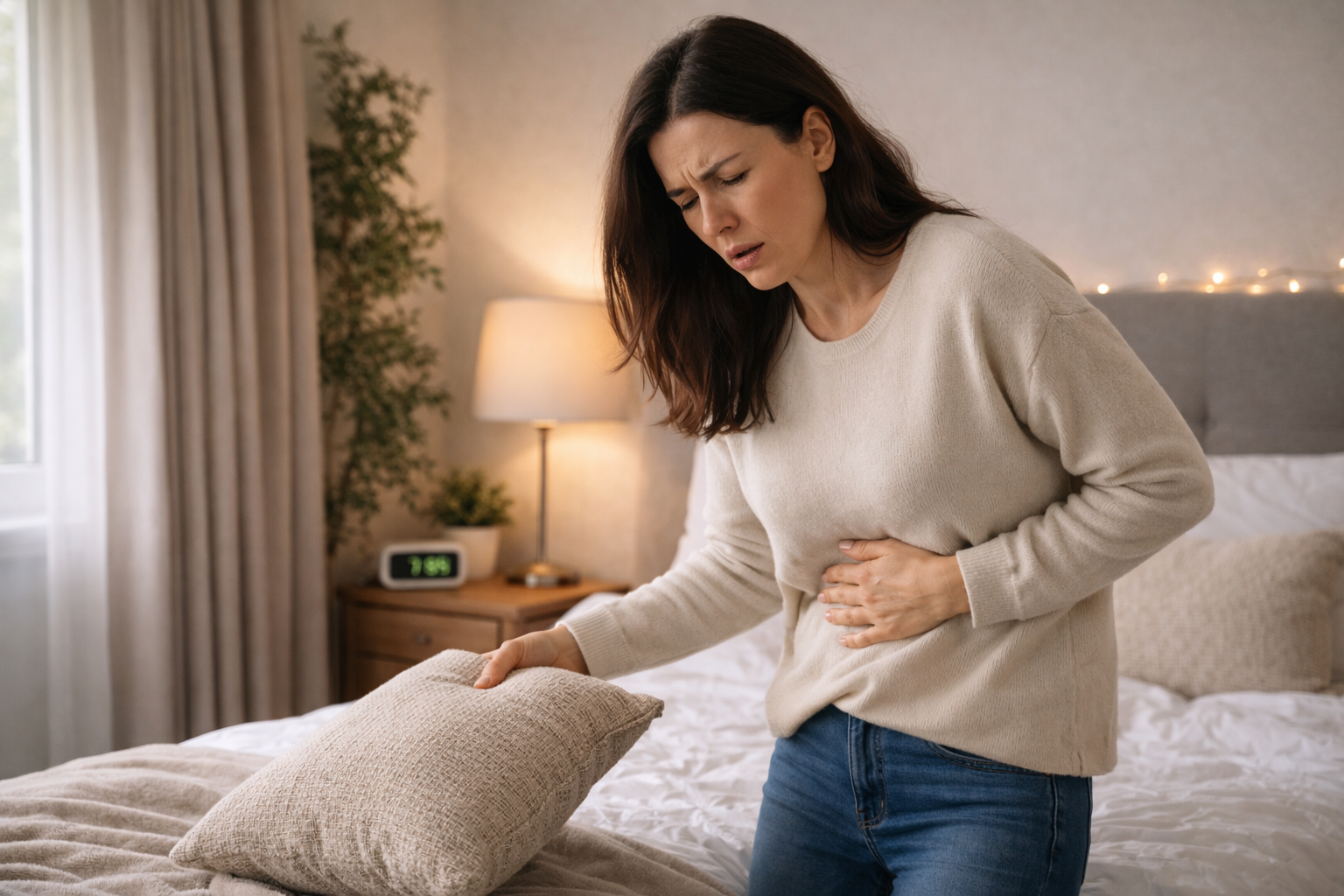
During a panic attack, the body's stress response can strongly affect the digestive system, creating sensations such as nausea or stomach discomfort.
in this article
• Why panic attacks affect the stomach
• The connection between the brain and the digestive system
• Why nausea can feel so intense during anxiety
• When anxiety-related nausea often appears
• Why the sensation is uncomfortable but not dangerous
the brain-gut connection
The stomach and the brain are closely connected through the nervous system. This connection is sometimes called the brain–gut axis. Because of this link, emotional states can strongly influence digestive sensations.
Many people notice this connection in everyday life. For example, they may feel:
• “butterflies” in the stomach before a stressful event
• loss of appetite during emotional distress
• stomach discomfort when feeling anxious
During a panic attack, this connection becomes much more intense.
How the Fight-or-Flight Response Changes Digestion
When the brain perceives a threat, it activates the fight-or-flight response. This response prepares the body to react quickly to danger.
Several changes happen almost immediately:
• heart rate increases
• breathing becomes faster
• muscles become tense
• digestion temporarily slows down
The body redirects energy toward systems needed for survival and away from the digestive system. As a result, people may feel nausea, stomach tightness, or a churning sensation.
why the sensation can feel so intense
During a panic attack, the body becomes extremely sensitive to physical sensations. Adrenaline, rapid breathing, and muscle tension can all affect how the stomach feels. At the same time, people often begin to monitor their symptoms closely. This heightened awareness can make the sensation of nausea feel much stronger.
When worry about the symptoms increases, the nervous system can become even more activated, which may intensify the stomach discomfort.
When Anxiety-Related Nausea Often Occurs
Some people experience nausea during the panic attack itself. Others notice it before the attack begins, especially when anticipating stressful situations.
Common situations include:
• before social gatherings
• before traveling
• before important meetings
• while driving or commuting
• during periods of prolonged stress
In these moments the nervous system may already be in a heightened state of alert.
Why Panic-Related Nausea Is Not Dangerous
Although nausea during panic attacks can feel alarming, it is not harmful. The sensation is a temporary effect of the body's stress response. Once the nervous system begins to settle, digestion gradually returns to its normal rhythm. Understanding what is happening in the body can often reduce the fear associated with these sensations.
frequently asked questions
Can panic attacks make you feel like vomiting?
Yes. Anxiety can strongly affect the digestive system and create nausea or the sensation of needing to vomit.
Why does anxiety affect the stomach so much?
The stomach and brain are closely connected through the nervous system. When the body enters fight-or-flight mode, digestion slows down and stomach sensations can change.
Can anxiety nausea last after a panic attack?
Some people experience lingering stomach discomfort while the nervous system gradually settles after an episode.
apply for a consultation
If panic attacks are interfering with your life, you can apply for a consultation to explore whether the Panic Cycle Recovery Program may be appropriate for you.
Learn about the program
Learn how the Panic Cycle Recovery Program helps people understand and interrupt the panic cycle so they can regain stability and confidence.