How to Deal with Panic Attacks in Daily Life Without Avoidance
One of the most common ways people try to deal with panic is by avoiding anything that might trigger it. At first, this brings relief. Certain situations feel easier to manage when they are postponed or controlled. But over time, avoidance begins to shape daily life.
Decisions start to revolve around how the body might respond. What was once simple becomes something that requires planning, caution, or hesitation. This happens because the nervous system begins to associate those situations with threat. And each time they are avoided, that association becomes stronger.
key takeaways
•Avoidance reinforces the panic cycle and gradually restricts daily life
•Panic is often maintained by how sensations are interpreted, not the sensations themselves
•Responding differently to symptoms is more effective than trying to eliminate them
•Small behavioral shifts in daily life help retrain the nervous system over time
•Mindfulness reduces anticipation and helps break the anxiety loop
•Lasting change often requires addressing deeper subconscious patterns
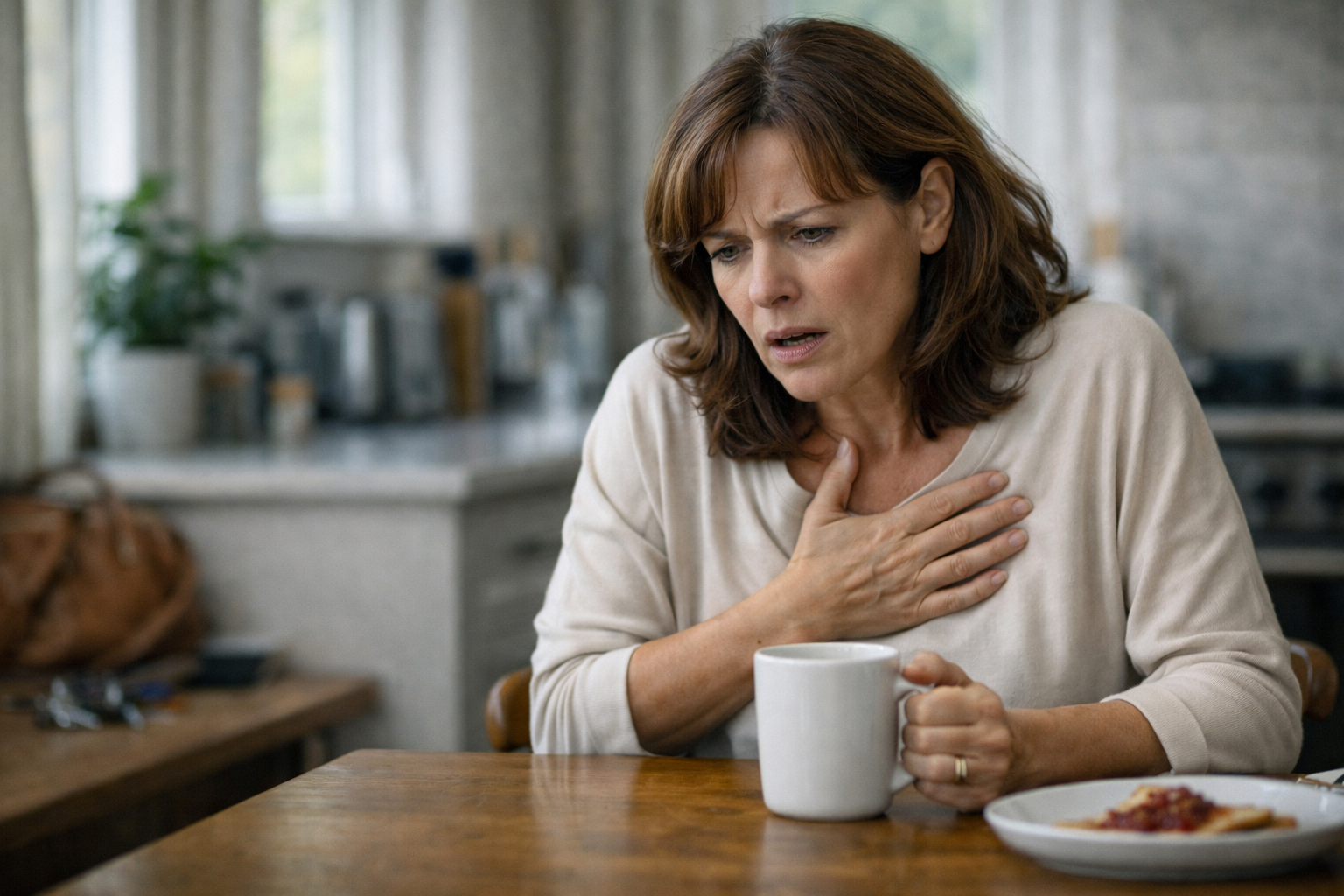
Trying to stay present during a normal day while uncomfortable physical sensations begin to build — a common experience when anxiety shows up in everyday life.
in this article
•Why avoidance keeps panic going
•What daily life with panic actually feels like
•What to do in the moment without making it worse
•How to move through your day without avoidance
•The role of mindfulness in breaking the cycle
What Daily Life with Panic Actually Feels Like
For many people, the most difficult part is not the panic attack itself, but everything around it. There is a growing awareness of the body.
Breathing, heart rate, tension — sensations that were once automatic now feel significant. Attention is repeatedly drawn inward, as if something needs to be monitored. This creates a subtle but constant tension. Instead of moving through the day naturally, there is a background question:
“What if it happens again?”
And that question alone is enough for the body to begin reacting.
What to Do in the Moment (Without Making It Worse)
When a sensation appears, the instinct is often to control it. To breathe differently. To analyze it. To make it stop. But this usually increases tension.
A more effective response begins with something simple:
Noticing the sensation without immediately reacting to it.
Instead of asking “how do I stop this?”, the shift is:
“Can this be here without me needing to fix it right now?”
This does not mean doing nothing. It means not adding a second layer of fear on top of what is already happening.
At the same time, grounding your attention externally can help interrupt the loop.
•Feeling your feet on the floor.
•Noticing what is around you.
•Letting your breathing move naturally instead of trying to control it.
These small shifts change how the nervous system interprets the situation.
How to Move Through Your Day Without Avoidance
Dealing with panic in daily life is not about forcing yourself into overwhelming situations.
It is about gradually changing your relationship with them.
This might look like:
Continuing with a task even when some discomfort is present.
Allowing yourself to stay in a place a little longer than you normally would. Making decisions based on what matters to you, rather than on what feels safest in the moment.
The goal is not to eliminate discomfort completely. It is to show the nervous system that discomfort does not mean danger. Over time, this begins to change the pattern.
The Role of Mindfulness in Breaking the Cycle
A large part of panic is driven by anticipation. The mind moves into the future. The body reacts as if that future were already happening.
Mindfulness interrupts that process.
By bringing attention back to what is actually happening now, the nervous system has a chance to settle. This does not require long practices. It can happen in small moments throughout the day:
•Pausing.
•Noticing.
•Allowing experience without immediately reacting to it.
Over time, this reduces the constant state of internal alertness.
When Daily Strategies Are Not Enough
For some people, these changes begin to shift the experience. For others, the pattern remains. This is often because panic is not only maintained by current reactions, but by deeper patterns that have developed over time.
At a subconscious level, there may be associations, emotional responses, and learned interpretations that continue to influence how the body reacts. In these cases, working only at the surface level can feel limited.
Clinical hypnosis allows access to these deeper layers, where the original patterns can be reorganized and updated. Instead of managing panic repeatedly, the work begins to address where it is coming from.
frequently asked questions
How do you deal with panic attacks in everyday life?
By changing how you respond to symptoms rather than trying to eliminate them. This includes reducing avoidance, allowing sensations without reacting to them, and gradually retraining the nervous system.
Is it better to avoid triggers or face them?
Avoidance may help short term, but it reinforces the panic cycle over time. A gradual and supported approach to facing situations is more effective.
Can panic attacks go away if I ignore them?
In some cases, they may reduce temporarily, but the underlying pattern often remains. Without addressing the response and interpretation of symptoms, panic tends to repeat.
Does mindfulness help with panic attacks?
Yes. Mindfulness helps reduce anticipation and interrupts the cycle of fear by bringing attention back to the present moment.
A Structured and Personalized Approach
If you recognize these patterns in your daily life, working through them with the right structure can make a meaningful difference.
The Panic Cycle Recovery Program is a personalized 1:1 process designed to help retrain the nervous system, address subconscious patterns, and restore a more stable and regulated response to anxiety.
Apply for a Consultation
If you are ready to begin changing the patterns behind panic, you can apply for a consultation.