How to Stop a Panic Attack When It Starts
A panic attack can feel sudden, intense, and deeply unsettling. When the symptoms begin, many people worry that something serious is happening in their body.
The heart may race, breathing can become shallow, dizziness may appear, and a powerful sense of fear can take over. In those moments, it can feel as if the experience will only get worse.
However, there are ways to respond that help the nervous system gradually settle. While panic attacks cannot always be stopped instantly, the way you respond to the symptoms can significantly influence how the episode unfolds.
Understanding what to do during a panic attack can make the experience less frightening and help prevent the cycle from escalating.
If you are new to panic attacks, it may help to first understand what happens in the body during a panic attack and why the symptoms can feel so intense.
key takeaways
• Panic attacks can feel overwhelming, but they are temporary and the body will eventually return to balance.
• Slow breathing and grounding techniques can help calm the nervous system during an episode.
• Trying to fight or suppress panic often increases fear and physical symptoms.
• Understanding what is happening in the body can reduce the sense of danger during an attack.
• Learning practical tools can help people feel more confident when panic symptoms appear.
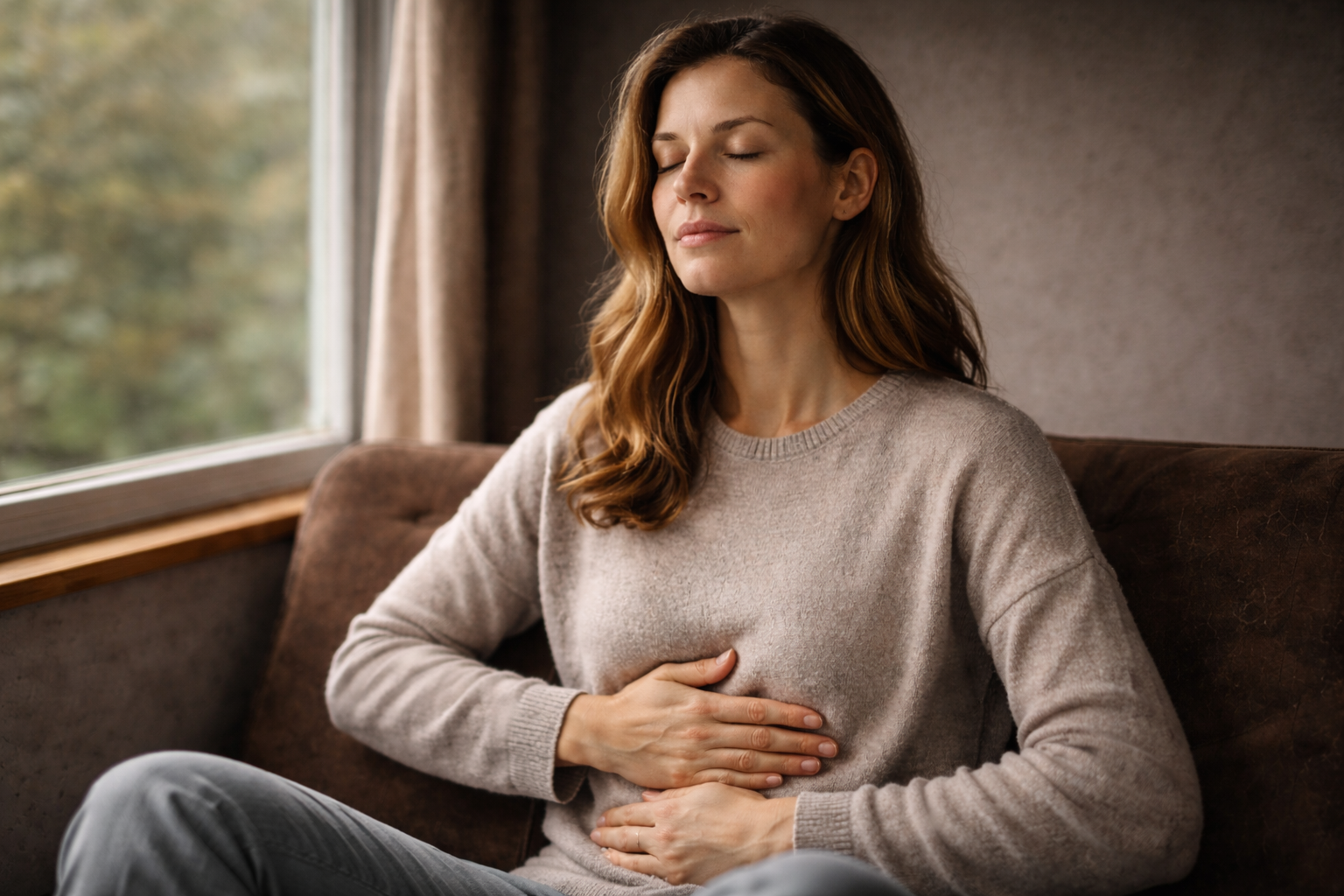
During a panic attack, the body’s alarm system activates intensely, but learning how to regulate breathing and attention can help the nervous system settle.
in this article
• Why panic attacks feel overwhelming
• What happens in the body during a panic attack
• Techniques that can reduce the intensity
• How breathing influences the nervous system
• Why panic attacks eventually pass
First: Recognize What Is Happening
One of the most helpful first steps is recognizing that what you are experiencing is a panic response.
During a panic attack, the nervous system activates the body’s survival mechanism, often called the fight-or-flight response. This response is designed to protect you from danger.
When the body believes there is a threat, it prepares for action:
•the heart beats faster
•breathing changes
•muscles tense
•alertness increases
Although these sensations can feel alarming, they are part of a natural physiological response.
Reminding yourself that the sensations are uncomfortable but not dangerous can help reduce the fear that often intensifies the episode.
Slow the Breath
Breathing patterns often change during a panic attack. Many people begin breathing quickly or shallowly, which can increase sensations such as dizziness or chest tightness.
Gently slowing the breath can help signal safety to the nervous system. A simple approach is to focus on longer exhalations.
For example:
•inhale slowly through the nose
•allow the breath to expand the abdomen
•exhale gently and slowly
The goal is not to force the breath, but to allow it to gradually settle into a slower rhythm.
When breathing becomes calmer, the nervous system often begins to follow.
Bring Your Attention to the Present Moment
During panic, the mind often becomes focused on catastrophic thoughts about what might happen next.
Shifting attention toward the present moment can help interrupt this pattern.
You might try noticing:
•the sensation of your feet on the ground
•the feeling of your hands touching a surface
•the sounds around you
•the temperature of the air
This type of grounding helps move attention away from the internal alarm signals and back into the external environment.
Allow the Sensations to Rise and Fall
One instinct many people have during a panic attack is to fight the sensations or try to force them to stop immediately.
Paradoxically, struggling against the sensations can sometimes increase the intensity of the panic response.
Instead, it can be helpful to allow the sensations to move through the body while reminding yourself that they will eventually pass.
Panic attacks are intense, but they are also temporary
The nervous system cannot remain at peak activation indefinitely. As the body’s stress hormones begin to decrease, the symptoms gradually begin to subside.
Reduce the Fear of the Symptoms
A significant part of panic is often the fear of what the sensations might mean.
For example:
“Something is wrong with my heart.”
“I might faint.”
“I might lose control.”
These interpretations can cause the nervous system to activate even more strongly.
Learning to reinterpret these sensations as part of a temporary stress response can reduce the escalation of fear.
Over time, this shift in interpretation can weaken the panic cycle itself.
After the Panic Attack
Once the most intense part of a panic attack has passed, it is common to feel tired, emotionally drained, or slightly shaken.
This is a natural part of the body returning to balance after a surge of stress hormones.
During this time, gentle self-care can help the nervous system recover:
•slow breathing
•light movement
•drinking water
•resting if needed
It can also be helpful to remind yourself that the episode has passed and that the body is settling.
When Panic Attacks Become Recurrent
Some people experience a panic attack once during a stressful period and never have another.
For others, panic attacks begin to occur more frequently.
When panic becomes recurrent, many people start to organize their lives around avoiding the next episode. This can lead to limiting activities, avoiding certain places, or constantly monitoring the body for signs of danger.
At that point, it may be helpful to work with a professional approach that addresses the deeper patterns maintaining the panic cycle.
Understanding the nervous system, reducing fear of bodily sensations, and retraining the body’s response to stress are often important steps in long-term change.
Some people worry that the physical symptoms of panic may be related to a heart problem. If this concern feels familiar, it may help to understand the differences between a panic attack and a heart attack.
Explore The Panic Cycle Recovery Program
If you would like to learn more about how this process can be approached in a structured way, you can explore the Online Panic Attack Treatment Program, where each session focuses on helping interrupt the panic cycle and retrain the nervous system response.
If panic attacks have been affecting your daily life and you would like professional support, you are welcome to apply for a consultation.
During this conversation we can explore your experience, discuss how panic is affecting your life, and determine whether this therapeutic approach may be appropriate for you.